


Study in Germany
Start your international education journey in one of Europe’s most student-friendly destinations.
Study abroad in Germany
From vibrant cities like Berlin to world-class institutions across the country, Germany offers you a chance to feel at home in this welcoming country.

Berlin
Build your career potential in Berlin, a city known for its creative industries, start-up culture, and global outlook.
Why study in Germany?
Study in Germany and travel freely across 29 Schengen countries.
Germany has the largest economy in the European Union, offering abundant opportunities for internships, part-time work, and long-term careers after graduation.
Experience a diverse cultural environment, connect with international peers, and enjoy the country’s rich history, arts, and innovation hubs.
Find out what our students love about Germany
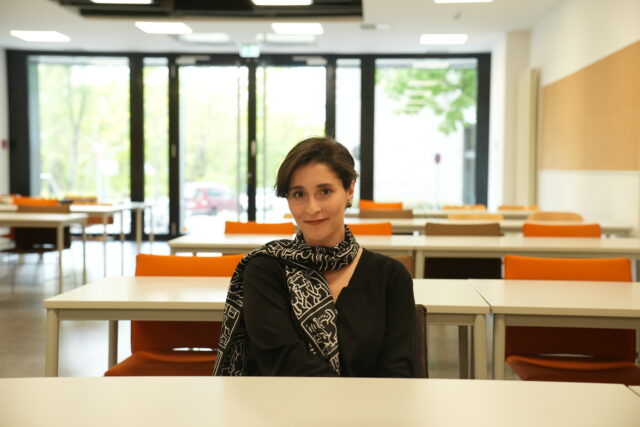
The city offers a vibrant mix of history and cutting-edge culture. Berlin is wonderfully welcoming and open-minded, which makes it a wonderful place to live. For an MBA student like myself the thriving start-up sense is another major perk. Berlin boasts a number of start-up and co-working spaces which fosters a dynamic and innovative atmosphere.
– Eva, MBA student (Iran)
Courses available to study in Gemany
Discover a variety of courses in Berlin, Gemany

Whitecliffe University of Applied Sciences (Berlin International) MBA Master of Business Administration
The two-year MBA program offers students the opportunity to specialize in either Management or Data Science & Finance.

Whitecliffe University of Applied Sciences (Berlin International) BA Interior Architecture / Interior Design
The BA Interior Architecture/Interior Design program provides students with the skills and knowledge to develop and apply creative and sustainable solutions in the field of interior architecture and interior design.
Frequently asked questions
You must hold a valid German student visa that entitles you to study before you can start your course with one of our partner universities.
At our partner universities in Berlin all classes are taught in English.
Germany offers internationally recognised degrees, affordable tuition, and a strong focus on practical, career-ready education. With a high quality of life, excellent transport, and a central location in Europe, it’s an ideal destination for international students to study and build global careers.
Average living costs for students in Berlin are approximately €1,000–€1,300 per month, depending on accommodation, lifestyle, and personal expenses.
Applying is easy, you can apply online via our online application form. If you feel stuck at any point reach out to our team and we can guide you through the entire process.
In Germany students can work up to 20 hours per week during term time. During semester breaks there is no weekly hour limit but students must stay within the 140 full/280 half-days per years.
Exclusive to Germany, there is also a ‘tax-free’ mini job where students can work up to 40 hours per month with employer approval, on top of the regular 80 hours.
The local language is German however most people do speak English in the bigger cities like Berlin.
Yes. All enrolled students at participating Berlin universities are required to pay for the semester transport ticket as part of their semester fees. The ticket, called the Deutschlandsemesterticket, allows unlimited travel on local public transport and regional trains across Germany (excluding long-distance trains like ICE/IC/EC).
Yes, if you have a German student visa (national D visa) or a residence permit, you can generally travel to other Schengen countries for short stays of up to 90 days within a 180-day period for tourism or visits. Travel outside the Schengen Area may require additional visas.
Student life in Germany is vibrant and well balanced, combining high-quality education with a rich cultural and social experience. Students enjoy diverse international communities, excellent public transport, affordable living options, and easy access to travel, culture, and part-time work opportunities.
Germany uses the Euro (€ / EUR) as its official currency.